
It’s Worth What The Buyer Is Willing To Pay – Are You Sure?
Written by James Sanders
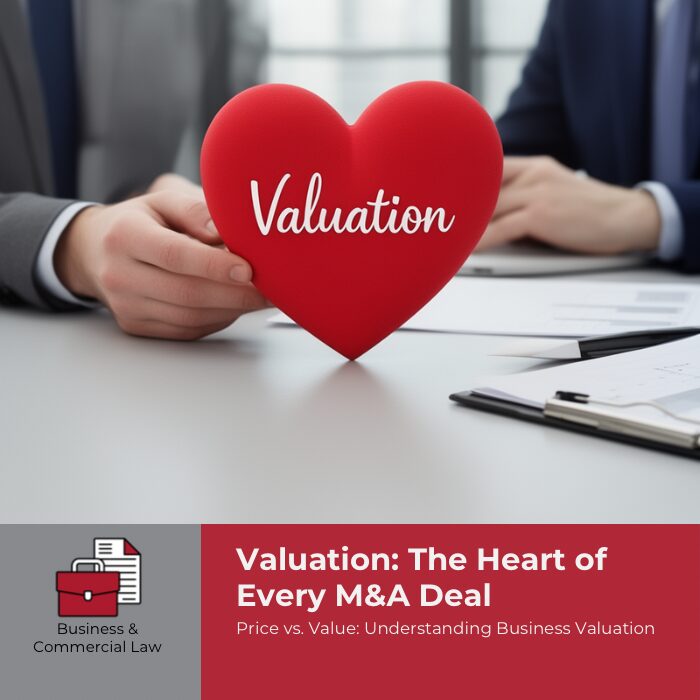
The next in our M&A process series is valuation. If you are the Seller, do you know what your business is worth? If you are the Buyer, do you know what you are willing to pay? Business valuation is tough enough in the public spectrum and those companies provide you with information. In the private arena, it can feel like the wild west. However, there are professionals in this space that can certainly provide valuable insight. Below are a few of the methods that are employed:
- Asset Method – a simple, yet very objective method where you take the difference between the asset value of a company and its liabilities; this method is good if the true value lies in the assets and not so much in their income generating capabilities (a good example of this would be a purchase of a business because of the equipment, land and/or real estate);
- Income Method – in this method, the value of the company is based on the present value of its discounted future cash flows (i.e., what you think the company can give you in cash over a certain number of years discounted back to today’s dollars; this method is often used for high growth and/or consistent cash flow businesses);
- Market Method – the value of the business is driven by the value paid for comparable companies; multiples (Price/Sales, Price/EBITDA) from these transactions are calculated and then applied to your business financials; if you ever talk with someone from private equity, you will hear some version of this method discussed;
I would highly recommend that you engage with a professional (CPA, certified business valuation expert, business attorney, financial advisor) to help you get a sense for the value of a business.
“What a company is worth depends on who wants to buy it.”
Michael Price, value investor
About the Author