
PA DUI Laws
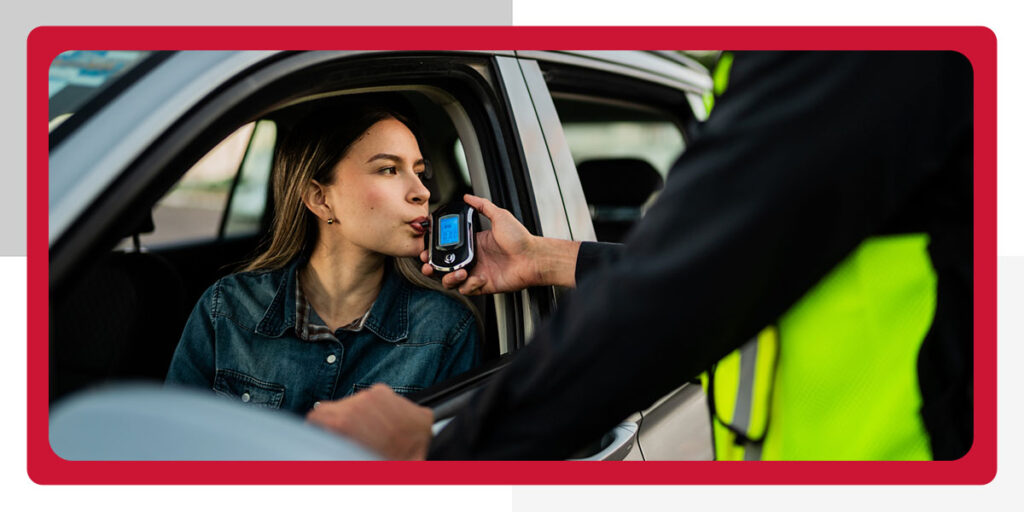
Pennsylvania driving under the influence (DUI) laws can be complicated and stressful. Without the right support and guidance on how to address a DUI charge in PA, things can quickly escalate. Understanding what happens during a DUI arrest in PA and the potential consequences, including license suspension, is critical to protecting your rights and future. The serious nature of alcohol-related car accidents means that Pennsylvania takes a potential DUI arrest extremely seriously.
To help you with any issues or situations you may encounter during a DUI arrest, here are some of the key details, tiers and potential penalties for DUI charges in PA.
What Happens When You Get Arrested and Charged With a DUI in PA?
If you are stopped due to a suspected DUI in Pennsylvania, you will be arrested and taken to the police station. Under Pennsylvania’s implied consent law, you will be asked to take a blood, breath or urine test. Refusal to undergo testing carries with it immediate and hefty penalties, such as automatic license suspension and the potential of more serious charges if you are convicted.
It’s important to hire an attorney as soon as possible after you are arrested — the sooner you hire an attorney to represent you, the sooner they can help guide you through the process and get critical information to build your defense.
A preliminary hearing will be scheduled once a complaint has been filed. In the event your chemical test results are not available by this date, your attorney will ask for a continuance.
Understanding DUI Charges in PA and The 3-Tiered System
DUI charges in PA are unique. Pennsylvania law uses a tiered system that doesn’t treat each DUI case equally. The state’s Act 24 legislation implemented a tiered system for blood alcohol content (BAC). These tiers determine the potential legal penalties you may encounter.
PA DUI laws and their associated penalties are broken down into the following tiers:
- Tier 1: The lowest level of DUI in PA. Classed as a general impairment (BAC 0.08% to 0.099%), this often results in probation for first-time offenders. If you are pulled over under suspicion of DUI, the lack of a recorded BAC number may still result in being deemed incapable of driving safely if other effects of intoxication are observed, such as slurred speech, the odor of alcohol or an admission of drinking from the driver.
- Tier 2: This tier is classed as a high rate of alcohol impairment (BAC 0.10% to 0.159%) and mid-level severity. People who drink socially and don’t feel intoxicated are often subject to this DUI penalty in PA. The higher alcohol level typically comes with stricter penalties. This may include consequences such as license suspensions and more.
- Tier 3: The highest rate of alcohol and controlled substances (BAC 0.16%+). This tier also incurs the highest potential penalty severity. Being charged with driving under the influence at this tier will carry significant legal penalties. This is due to the potential risk of seriously injuring or killing others on the road.
It’s important to understand that any drug-related DUIs or refusals to take a blood, breath or urine test will immediately fall under tier 3.
First Offense DUI in PA
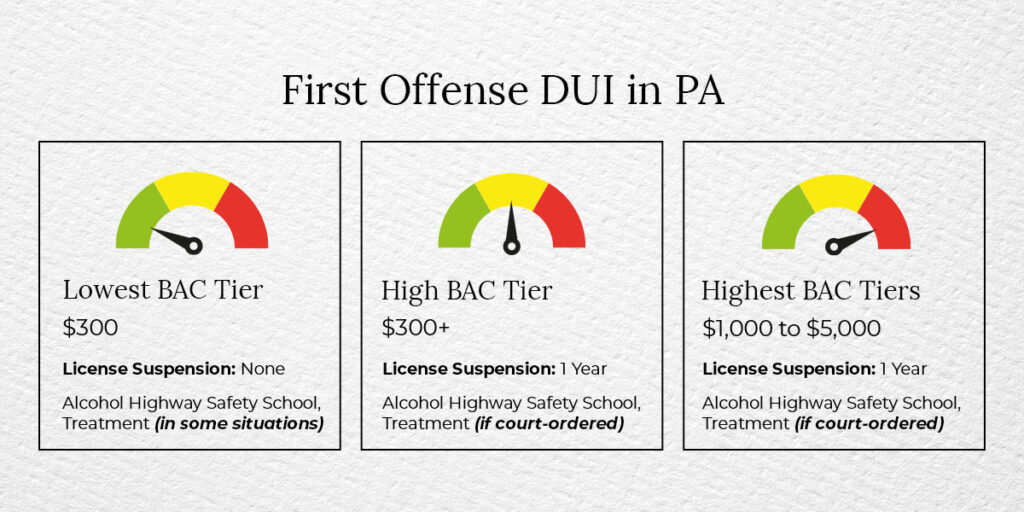
A first-time DUI in Pennsylvania won’t include any mandatory minimums for general impairment. A first-time offender may incur a $300 fine, alcohol highway safety school and treatment in some situations. There’s no license suspension for the lowest tier. A DUI penalty in PA increases to one year of license suspension for a high BAC. There’s also a requirement to attend an alcohol highway safety school and treatment if court-ordered.
The administrative penalty for the highest BAC tiers is a one-year license suspension. A limited hardship or occupational license may be applied for after at least a 60-day suspension period, provided other conditions are met. Fines range from $1,000 to $5,000. Attendance at alcohol highway safety school is also required, as is treatment if court-ordered.
It’s important to learn more information about first-time DUIs, potential penalties and defense strategies.
The DUI Penalty in PA for Two Prior Offenses
DUI penalties for a second offense can include a 12-month license suspension for general impairment. Lower-tier penalties can range from $300-$2,500 fines, with at least 5 days in jail, to a maximum of 6 months. A high BAC can lead to a 12-month license suspension, fines ranging from $750 to $5,000, and a mandatory 30-day to 6-month jail sentence. The highest BAC levels for a DUI in Pennsylvania can result in an 18-month suspended license, with a mandatory jail sentence of at least 90 days and up to five years in prison.
Alcohol safety school, court-ordered treatment and a one-year ignition interlock are also common penalties. We have more detailed information about the second DUI defense process for anyone in need of additional clarity.
The DUI Penalty for a Third Offense or More
Pennsylvania House Bill 773 was signed into law in 2022. Also known as Deanna’s Law, it was enacted to impose stiffer penalties for repeat DUIs. By targeting people with multiple prior convictions, the change in law has led to the following penalties:
- A third DUI can be classified and charged as a third-degree felony (potentially up to 7 years in prison).
- A fourth DUI or more can be classified and charged as a second-degree felony (a maximum of 10 years in prison).
- Consecutive sentencing for people with two or more prior DUIs (serving one sentence after another, not all at once).
Understanding the PA DUI court process and how this affects drivers with a third DUI or more is essential.
PA DUI Laws for Underage Drinkers
Drivers under 21 don’t need a BAC of 0.08% to be arrested for drunk driving. The BAC for underage drinkers only needs to be 0.02% for them to be arrested for DUI. Furthermore, underage persons who are arrested for drunk driving may also face a wide range of additional penalties.
These penalties can include fines up to $500, charges for underage drinking and charges for carrying false IDs.
Exceptions and Alternatives to DUI Charges in PA
Drivers may apply for exceptions to the ignition interlock device in certain situations, though they are rare. If a driver convicted of DUI can show that installing an ignition interlock device on all their vehicles would create a financial hardship, an exemption could be granted. This would then only require installation on one vehicle.
An employment exception may be granted in some instances. The driver needs to show that they should be allowed to operate company vehicles during their employment. The work vehicle can’t be classified as a school bus or a very large multi-passenger vehicle.
Accelerated Rehabilitation Disposition (ARD), is a method of receiving reduced sentences and fines. A driver is eligible for the ARD. program if it’s the first time they’ve been placed in the program. Furthermore, they must not have killed or seriously injured anyone during their DUI. There are other factors to consider before qualifying for A.R.D.
Get the Best Help During This Difficult Time
From arrest to trial to sentencing, navigating the PA DUI litigation process can be complicated. That’s why it’s important to retain legal counsel as soon as possible. Hiring an attorney who is experienced and pays attention to detail is vital.
That is why you should contact MPL Law. Our York, Pennsylvania-based attorneys will take time to listen to your concerns and work to provide you with the best possible representation in your case.