
Halfway Through the Year- Is Your Legal House in Order?
Written by James Sanders
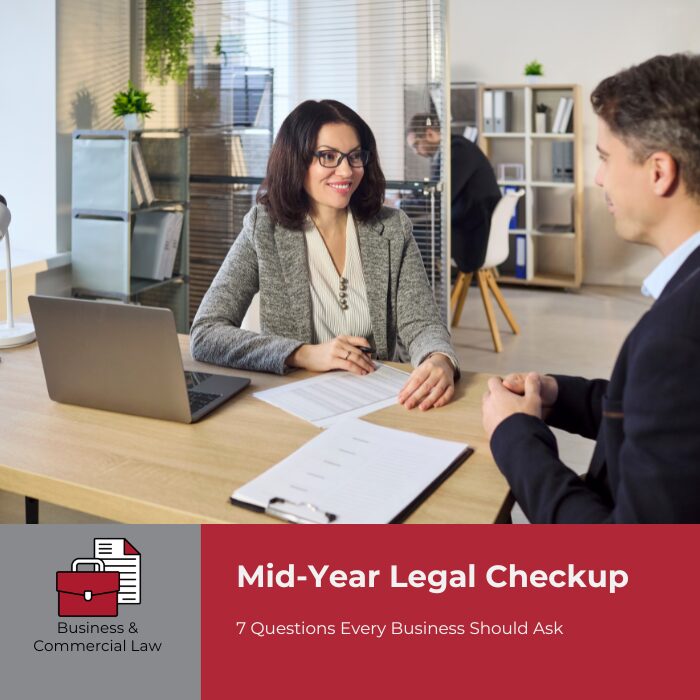
We’re halfway through 2026, which makes this a good time for business owners to ask: “Is my legal and compliance house in order for the rest of the year?” A short mid-year review can catch small issues before they become costly problems.
1. Are your corporate records current?
- Have you held and documented annual meetings for each entity?
- Do minutes and resolutions reflect ownership changes, major loans, or new lines of business?
- Are recent formations or dissolutions properly documented and filed?
If your “minute book” is really a scattered pile of PDFs, mid-year is the time to organize it.
2. Are your state filings and registrations up to date?
- Are all entities in good standing with your State and any other States where you’re registered?
- Have you updated addresses and registered agent information after moves or advisor changes?
- Are licenses and permits (liquor, food service, construction, health care, etc.) current and aligned with your ownership structure?
A quick standing and licensing check prevents surprises when you need a loan, close a deal, or renew a license.
3. Does your entity structure still fit your business?
- Are multiple lines of business crammed into a single entity despite very different risk profiles?
- Do ownership and voting arrangements match the economic reality today?
- Would you choose the same LLC/corporation/partnership mix if you were starting fresh in 2026?
If not, now is the time to plan gradual changes rather than rushed fixes during a transaction.
4. Are your key contracts still protecting you?
- Focus on the agreements that drive or protect cash flow.
- Customer and vendor contracts: Do terms on pricing changes, scope, IP, data, and liability match how you actually operate?
- Leases: Have you noted rent steps, options, and notice deadlines for late 2026 and 2027?
A mid-year pass over your top contracts can identify where a simple amendment or updated template would materially reduce risk.
5. Is your employment and HR framework up to date?
- When was your handbook last updated for current discrimination, harassment, and leave rules—and newer issues like hairstyle discrimination and remote work?
- Are your non competes, non solicits, and confidentiality agreements still appropriate given ongoing legal changes?
- Are worker classifications and pay practices (exempt status, overtime, commissions) consistent with written policies?
A focused HR check-up now can avert disputes and audits later.
6. Do your licenses, permits, and local approvals match reality?
- Has your use of property changed since you obtained zoning or occupancy approvals?
- Have liquor, health, or safety related operations evolved without updated licenses or local approvals?
Compare “what we’re actually doing” with “what our approvals say we can do,” especially before a busy season.
7. Are you ready for your next big event?
- Are you likely to buy or sell a business, major asset, or key piece of real estate in the next 12–18 months?
- Is a leadership or ownership transition on the horizon?
- Do you anticipate significant financing that will require clean records and strong contracts?
If any of these are coming, use mid-year to align documents, entities, and approvals so you can move quickly when the opportunity appears.
You don’t need to tackle everything at once. Make a short list of entities, key contracts, and regulatory touch points, pick the two or three highest impact areas, and schedule a mid-year check in with your advisors to prioritize the rest of 2026.
About the Author