

Spot Zoning
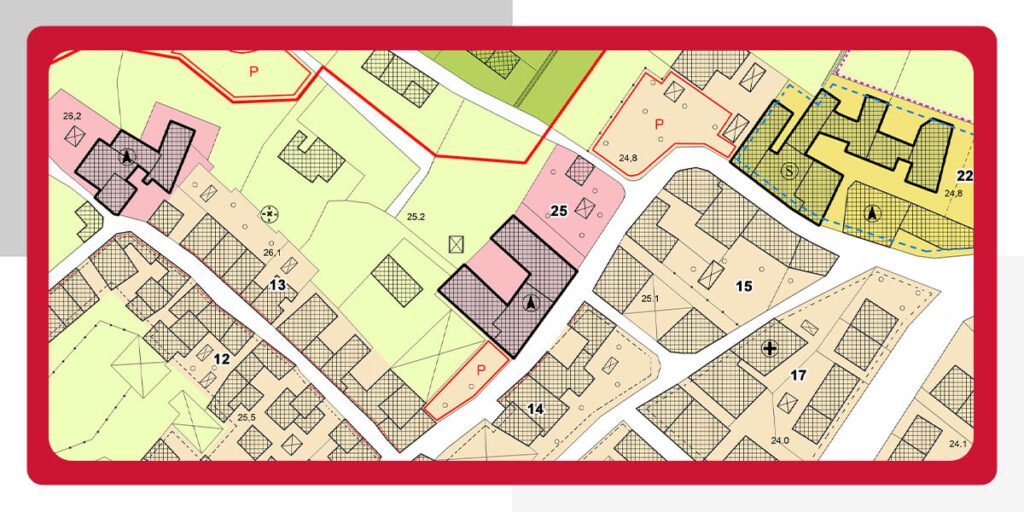
Zoning ordinances dictate which property types you can develop in specified locations. However, these ordinances may not always align with your development goals. For instance, in Gettysburg Borough, you’re typically limited to building a vacation rental in certain districts, such as the Old Town District (OT) and Residential Office District (RO), among others. Restaurants or other commercial projects are also generally limited to commercial or mixed-use districts.
If you must develop a property in a different category, there may be ways to do so with certain conditions. However, you must be careful about spot zoning and how a court can deem your project illegal. To help you understand the risks, this article explains what zoning changes may be considered spot zoning and how that designation indicates invalidity.
What Is Spot Zoning?
Spot zoning is a legal term used when zoning changes are invalid. Spot zoning in real estate occurs when a zoning change singles out a small or isolated parcel and assigns it a zoning classification that is inconsistent with the surrounding area and benefits a specific property owner without advancing a legitimate public purpose or fitting within the broader land-use strategy. The changes may involve adding or removing restrictions to the site.
Though it might seem that spot zoning only applies to a small area, there’s typically no definitive land area that determines spot zoning. What matters to the courts is not the size of the parcel but whether the zoning change matches the area and serves a valid purpose.
Rezoning a small area can be legitimate and legal. For instance, new zoning ordinances may impact existing commercial structures if the new laws designate the area as a residential zone. At other times, a community may view a particular business as essential within a residential area.
How Does Rezoning Work?
Rezoning a single parcel requires amending the zoning map, and courts scrutinize these decisions to ensure they are based on legitimate planning goals. Rezoning formally reclassifies the parcel as a different zone. Text amendments to the zoning ordinance that only change the rules for affected properties do not suffice as a rezone.
Courts review zoning changes to determine whether they are rational, consistent with the comprehensive municipal plan and serve the public interest. Courts generally uphold zoning decisions but will invalidate a rezoning if it’s inconsistent with surrounding zones or lacks a valid purpose. If the changes apply to a very small or isolated parcel, the courts look more closely at whether there is a legitimate planning reason to rezone.

Any rezoning request must follow proper procedures to ensure the change serves the community. Cities and counties vary in their ordinances, but if you are requesting a rezoning, you and the municipality must follow due process. This process can involve public notices and hearings, where you can present evidence that the change is reasonable. The public can also comment on your proposed changes.
Rezoning Considerations
Before you proceed, the following can help you determine if rezoning is reasonable:
- Size and isolation: Is the parcel significantly smaller or more isolated than similar zones?
- Consistency with surrounding zoning: Does the new zoning classification differ sharply from the zones of neighboring properties? Would the change negatively impact the nearby properties? For instance, changing a previously residential zone into an industrial zone can be problematic for neighboring residential areas.
- Planning rationale: Master plans typically include community goals and proposed future land uses. Is your proposed change compatible with the long-term plans? Your local government’s master plan may have some criteria or guidance regarding zoning amendments.
- Public vs. private benefit: Does the change serve the general welfare of the community, or does it only benefit the property owner?
Spot Zoning vs. Other Common Zoning Validity Challenges
Spot zoning is only one of the zoning changes that the court and community may challenge. Whether you’re developing property as a private citizen, as a business or as part of the local government, the court and community may also raise exclusionary zoning challenges.
Municipalities typically need to consider all land uses and allot relevant zones for them. If regulations unreasonably exclude needed housing or legitimate land uses, it can constitute exclusionary zoning.
Frequently Asked Questions
Before you consider rezoning your property, note these common inquiries:
Is Spot Zoning Legal?
In Pennsylvania, spot zoning is always illegal. The courts use this term when small zoning is inconsistent with the surrounding zoning, doesn’t align with the comprehensive land plan and lacks a legitimate public purpose. Spot zoning could be due to potential monopoly, unequal opportunity, discrimination or environmental harm.
For instance, say a township rezones a single residential lot to commercial so one property owner can open a roadside convenience store, even though all the surrounding properties remain residential and the comprehensive plan designates the area as low-density housing. A court would likely consider this unlawful or impermissible spot zoning since the change only serves a private interest and conflicts with the surrounding zoning.
Small or selective rezoning can be legal, provided the proposed zoning changes are reasonable and can benefit the community.
What Can I Do if Zoning Limits the Proposed Use?
You may not need to pursue rezoning to move your project forward. Municipalities may offer several legal avenues for requesting flexibility when existing zoning does not fit your proposed use. Depending on the circumstances, these options may allow you to proceed without changing the zoning map at all. Common forms of zoning relief include:
- Variance: A variance provides relief from specific dimensional or use requirements when strict compliance would create an unnecessary hardship unique to the property. This process allows a project to move forward while maintaining the overall zoning framework. For instance, you may not need to follow the required setbacks if these requirements are not practical for your particular property.
- Nonconforming uses or structures: If an existing building or use lawfully predates the current zoning rules, it may continue as a legal nonconforming use. Municipalities may also allow limited alterations or expansions consistent with local ordinances.
- Conditional use zoning: Some zoning ordinances allow certain uses only with additional review and conditions. Conditional use approval does not change the underlying zoning. Instead, it authorizes the use subject to reasonable safeguards by the municipality.
What Is the Difference Between Spot Zoning and Contract Zoning?
Spot zoning occurs when a municipality rezones a single parcel or small area in a way that is inconsistent with surrounding land use and cannot be justified by legitimate planning objectives or the comprehensive plan. Small area rezonings can be lawful, but when rezoning singles out one property for special treatment without a valid purpose, courts generally treat it as unlawful spot zoning.
Sometimes confused with conditional zoning, contract zoning happens when a municipality enters into a private agreement with a landowner in which the government promises a particular zoning outcome in exchange for money, improvements or other concessions. Like spot zoning, contract zoning is illegal. Zoning decisions must be made through the public legislative process, not negotiated privately or traded for benefits.
Why Trust MPL Law
Since 1987, MPL Law has been helping clients navigate their cases, whether they involve commercial, municipal, family, or real estate law, among our other practice areas. Our real estate services division, MPL LandServices, was founded in 2009 and is dedicated to helping Pennsylvania property owners with their insurance and real estate settlement matters.
We believe in offering a holistic approach in our services, where our clients get dedicated attention. Our close client relationships enable us to determine the most practical, cost-effective solution for your specific situations.
Navigate Zoning Laws in Pennsylvania With MPL Law
If you plan to consider rezoning in Pennsylvania or want to understand the risks involved, we can help you out. We understand how complex and ever-changing zoning laws can be. For instance, you may need help with due diligence regarding commercial, industrial or agricultural real estate. Or you may already be experiencing zoning or land use issues and need help in resolving them.
We have over 30 years of experience, so you can trust MPL Law for reliable and professional guidance in navigating your situation. Schedule a consultation today to get started.

About the Author